
Drinking water systems at the tap
Point-of-use filters and reverse osmosis for kitchen taps, break rooms, ice machines and beverage lines, specified to the NSF/ANSI claim your lab results need.
For: Homes, offices, clinics, restaurants, cafes and hotel kitchens
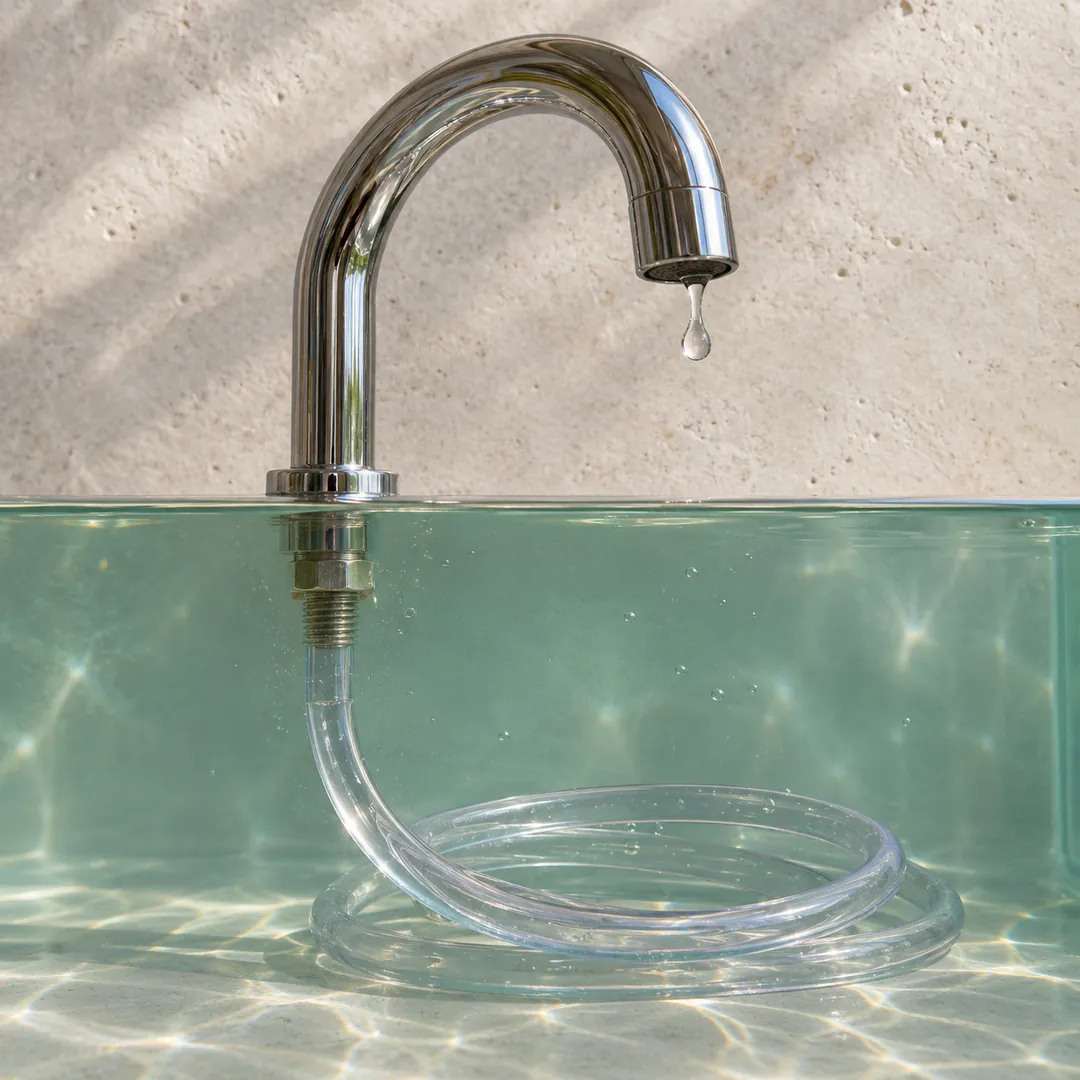
Point-of-use systems treat water where people drink it, cook with it or make ice from it: under a kitchen sink, in a break room, or on the supply line to an ice machine, a coffee brewer or a beverage dispenser. Each one treats a few gallons a day instead of the whole building, so it can use finer treatment, such as a carbon block or a reverse osmosis membrane, at a sensible size and cost. Maredes chooses the treatment from a laboratory result and specifies units certified for the exact claim the result calls for.
When it fits
- Lead. EPA says the most common sources of lead in drinking water are lead pipes, faucets and fixtures, that “boiling water does not remove lead”, and that anyone using a filter should use one “certified to remove lead” and replace cartridges on schedule. EPA also says testing “is the only sure way” to know. Because faucets and fixtures are among those sources, the tap is where treatment for lead belongs.
- Advice for Jackson. MSDH’s Jackson water system page, checked on November 22, 2026, recommends that children five and under and pregnant women use “filtered water (NSF53 certified filter) or bottled water”, along with running the cold tap one to two minutes, never using hot tap water for drinking or cooking, and cleaning aerators. Read the page for its current advice.
- Taste and odor from chlorine, which carbon certified under NSF/ANSI 42 addresses.
- PFAS. EPA’s April 2024 filter fact sheet says to look for certification to NSF/ANSI 53 or 58 for PFAS reduction, that these certifications “focus on removing the chemicals PFOA and PFOS”, and that they “do not yet indicate that a filter will remove PFAS down to the levels EPA has now set”. We specify to that claim and say what it does not show.
- Well water results such as nitrate, arsenic, fluoride or high dissolved solids, which usually call for reverse osmosis with the matching NSF/ANSI 58 claim.
- Food service. MSDH’s 2016 guidelines for food facilities ask operators to flush drinking water points before first use each day and to maintain ice machine and dispenser filters as the manufacturer directs.
What each unit does and does not do
| Unit | Specified to | Can address, when the listing carries the claim | Does not |
|---|---|---|---|
| Carbon block filter | NSF/ANSI 42, 53 or 401 | Chlorine taste and odor; lead, PFOA and PFOS or other listed contaminants | Remove hardness, nitrate or dissolved solids |
| Reverse osmosis | NSF/ANSI 58 | Listed contaminants such as lead, nitrate, arsenic, fluoride, dissolved solids | Run without reject water |
| UV unit | NSF/ANSI 55 | Bacteria, viruses and parasites, after pre-filtration | Remove chemicals or metals |
| Distiller | NSF/ANSI 62 | Many chemicals | Reliably remove some volatile organic compounds |
The CDC’s household treatment guidance describes the same limits. Certification is claim-specific: a unit listed under NSF/ANSI 53 for lead is not certified for every contaminant in that standard, so we confirm each claim in the certifier’s listing. EPA names five ANSI-accredited certification bodies: CSA Group, IAPMO R&T, NSF, UL and WQA.
Reverse osmosis has a water cost. WaterSense says a typical point-of-use unit “will generate five gallons or more of reject water for every gallon of treated water produced”, and that a WaterSense labeled model saves on average more than 3,100 gallons a year. Where a labeled model carries the needed claim, the specification asks for it.
How Maredes designs it
We list every drinking and ice point in the building: each kitchen tap, break room sink, ice machine, coffee brewer, beverage dispenser and bottle filler. For each we note the daily draw, the space under the counter or on the wall, the nearest drain for reverse osmosis reject water, power for a UV unit, and any water requirements the equipment maker publishes. Then we match the treatment to the lab result for that point, which is often different for a kitchen tap and an ice machine.
The specification names, for each point, the standard and the specific claim, the rated capacity in gallons, the flow rate, a shutoff and a sample tap after treatment, and lead-free fittings certified to NSF/ANSI/CAN 61 or 372. For commercial and food service equipment, NSF also lists units under ASSE 1087, which the specification calls for where it applies. A licensed plumber installs the units and connects the drain as local code requires. Restaurants follow their health department’s instructions as well; we do not give sanitation or health code advice.
Example (fictional). A kitchen drinking-water filter is rated for 750 gallons on its certification listing, with a six-month maximum from the manufacturer, and the household draws 3 gallons a day. In the filter life calculator, the gallon rating is reached in 250 days and the time limit in 182, so the cartridge is replaced every 182 days (about 6.0 months), limited by time in service, with 2.0 replacements a year. An ice machine drawing far more water through the same cartridge would reach its gallon rating first.
During and after a boil-water notice
The CDC’s advisory guidance says that during any drinking water advisory, “do not drink or use water from appliances connected to your water line”. A point-of-use filter is not a substitute for a notice unless it is certified for microbial reduction. After the notice is lifted, lines are flushed and cartridges that took in water during the notice are replaced, as the boil-water notice checklist sets out. For current notices, check JXN Water’s notice page and MSDH’s water safety notices.
What you provide and receive
You provide the lab results or a water review, the list of drinking and ice points with equipment model numbers, and photos or access. You receive a specification for each point naming the certification and claim, a simple schematic, installation notes, a cartridge schedule, and a verification sample after start-up, taken at the treated tap and compared with the baseline result.
Maintenance
Cartridges are changed at their rated gallons or months, whichever comes first; membranes and UV lamps on the manufacturer’s schedule. Each change goes into the maintenance log. A service plan can handle the schedule, and the treatment selector shows which treatment matches which result.
Start with a water review.
Tell us about the building: what it is, who uses it, where the water comes from and what you would like to change. We reply with questions and a time to walk the building with you.